Rethinking Facade Materials in Hot-Humid Cities: Low-E Glass as a Thermal Competitor to Concrete in Dubai’s Urban Climate
DOI:
https://doi.org/10.37934/progee.32.3.121Keywords:
Glass Façade, Extreme Temperatures, High Rise Buildings, Thermal Dynamic, Urban Heat IslandAbstract
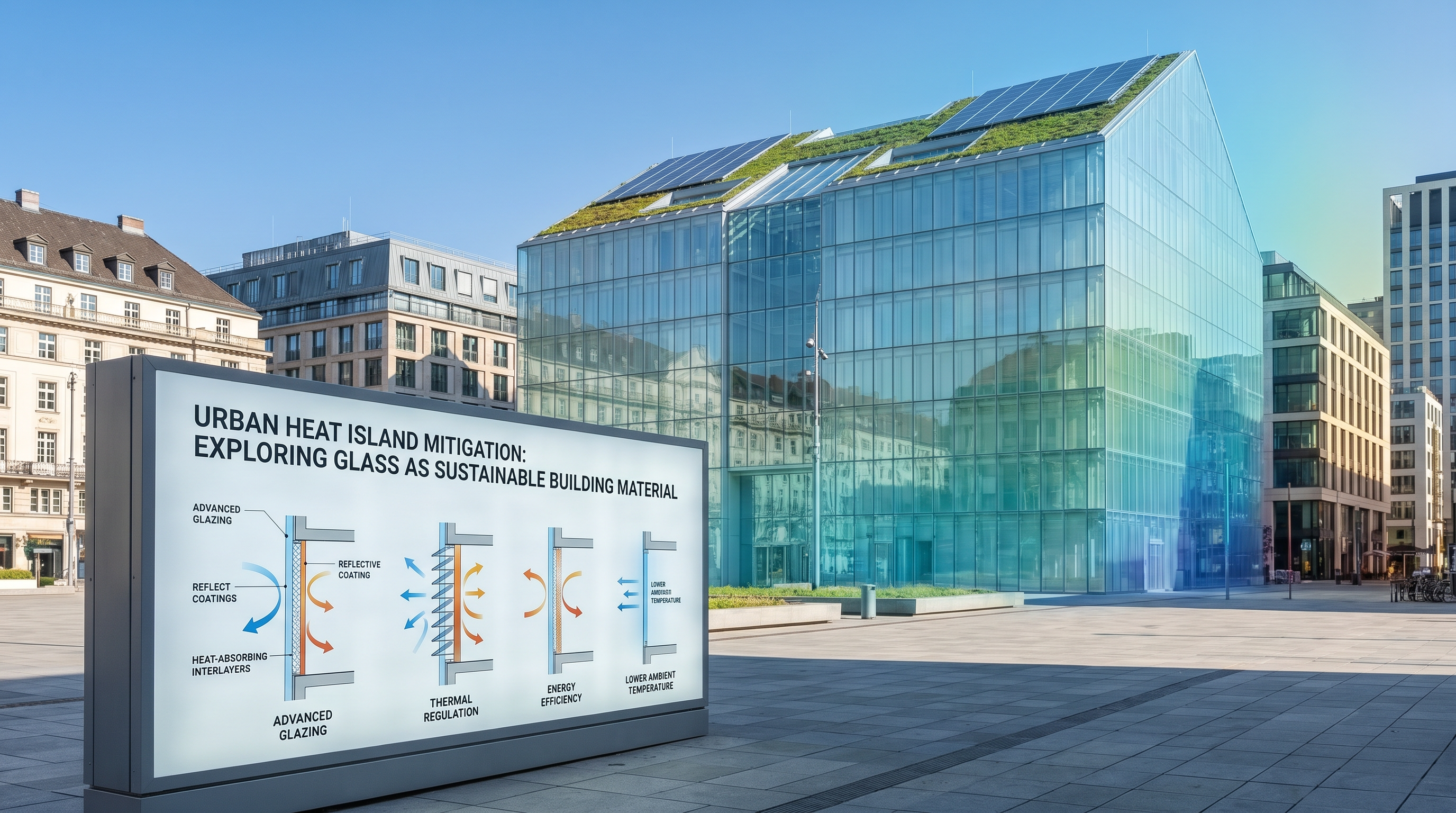
The extreme temperatures and high humidity levels in Dubai intensify the urban heat island (UHI) effect across the metropolitan region. This study investigates whether the increasing use of advanced glass technologies contributes to the UHI effect, given the widespread presence of glass-clad buildings within the city skyline. A case study was conducted on a high-rise commercial building located near Dubai International Airport, featuring a U-shaped architectural design with a double-layer glass façade consisting of tempered Low-E glass, an air cavity, and clear glass, complemented by aluminium curtain wall elements. A combination of thermal cameras, laser distance meters, and heat loggers was employed to assess surface temperatures, relative humidity, and thermal radiation across different building orientations. Data were collected between April and September 2024, with heat loggers installed on multiple façade orientations, including the south-facing concrete wall. Thermographic images and laser measurements were manually recorded, while temperature and humidity readings from the heat loggers were stored in CSV format. A custom Python-based application was developed to process and validate the collected data, which was subsequently presented through tables, charts, and visualisations. The findings indicate that modern glass façades do not significantly intensify the urban heat island effect in Dubai and may instead contribute positively to urban sustainability.