Techno-Economic Optimisation of a Hybrid PV-Wind-Battery Energy System for Adaptive Melon Greenhouse Using Priority-Based Load Management and HOMER Pro
DOI:
https://doi.org/10.37934/progee.32.4.112Keywords:
Hybrid Renewable Energy System, Greenhouse Automation, Priority-based Load Management, Load Shedding, Component SizingAbstract
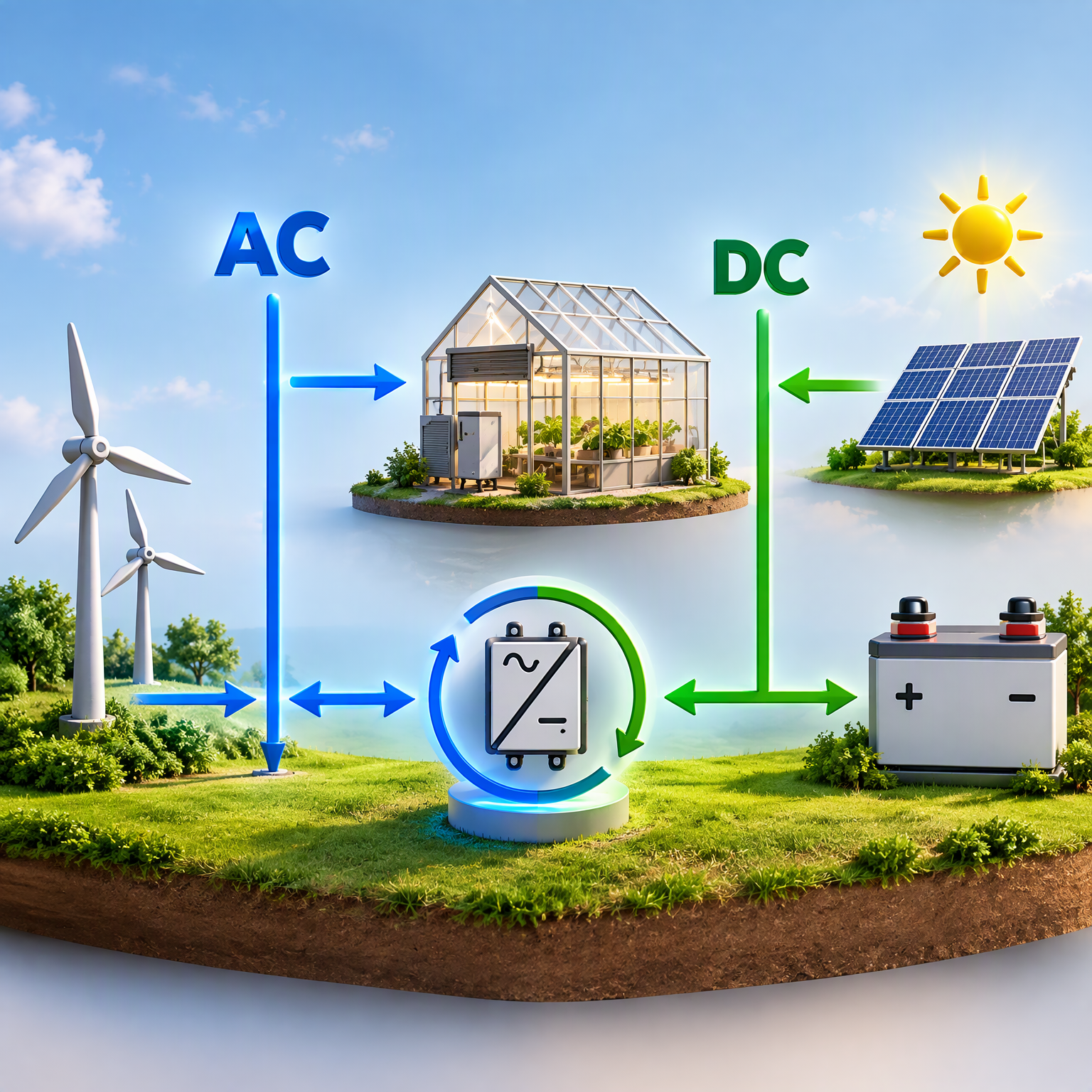
Greenhouse automation requires reliable power; a load profile mismatched to available renewables inflates generation, storage and capital costs. This study assessed how priority-based load management affects demand, component sizing and initial cost of a hybrid renewable energy system for a 200 m² melon greenhouse in Trenggalek, East Java. HOMER Pro simulations, using Indonesian prices, compared three scenarios: PV-battery and PV-wind-battery at full load, and PV-wind-battery with priority-based load shedding. Loads were classed critical (pumps, sensors), semi-critical (fans) or flexible (night lighting). Load shedding cut daily consumption from 5.00 to 3.24 kWh (35.2%) and peak load from 1.06 to 0.76 kW (28.3%). Scenario three required 2.00 kW PV, three LiFePO4 batteries (3 kWh total), a 1.00 kW wind turbine and 1.00 kW converter, costing about $1,079.85. Relative to scenario one, PV and converter capacities halved and battery units fell 57.1%. Load prioritisation can therefore reduce demand, component size and capital cost.