Electrocoagulation Technology for Oil Removal in Food Wastewater: Research Trends and Patent Landscape Analysis
DOI:
https://doi.org/10.37934/progee.32.2.122Keywords:
Electrocoagulation, Oil-water Separation, Food Industry, Wastewater Treatment, Pollutant RemovalAbstract
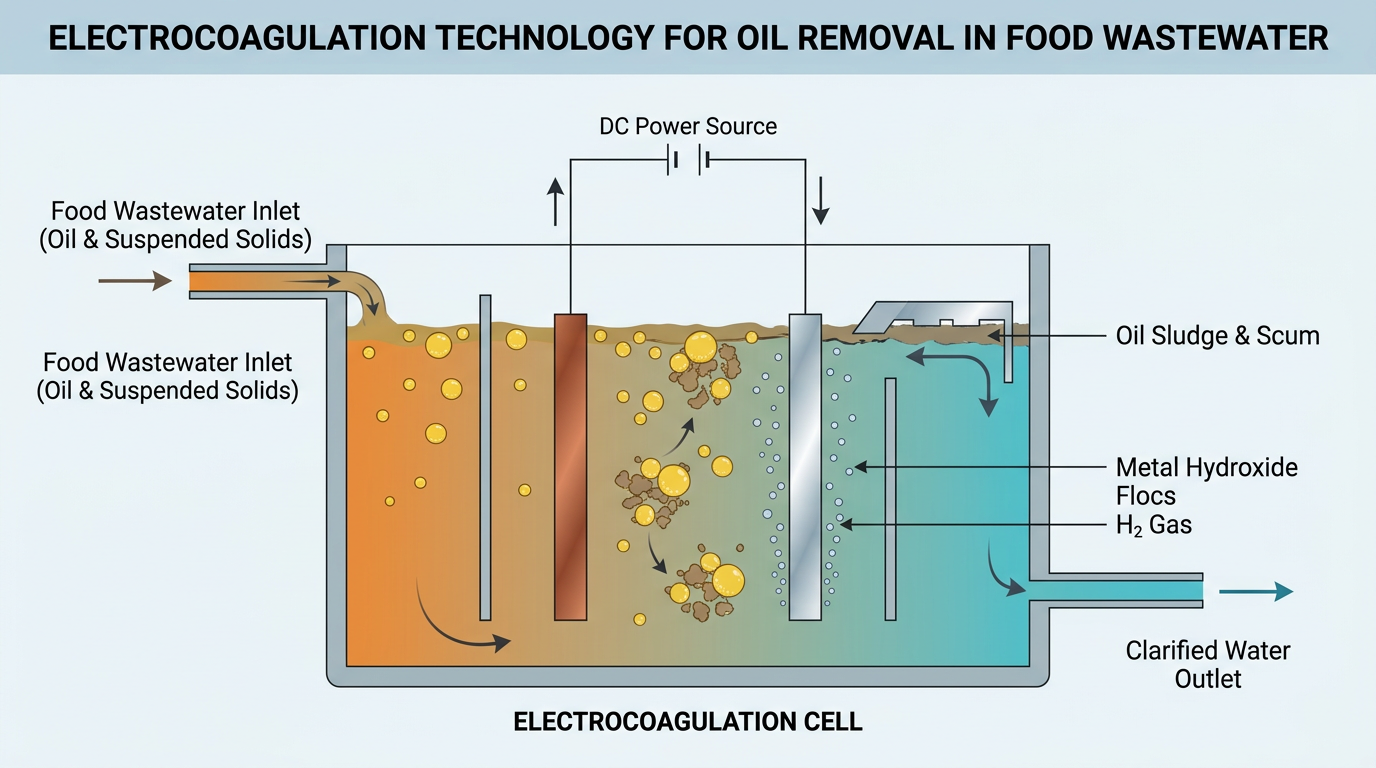
The increasing demand for edible oils in food processing has resulted in substantial oily wastewater generation, posing challenges to global water security. This review examines electrocoagulation technology for treating oil pollutants in food industry wastewater through analysis of peer-reviewed journal articles and a broader patent landscape analysis across all industrial sectors. Electrocoagulation generally achieved high oil removal efficiency across the reviewed studies, though COD removal performance was more variable, indicating strong effectiveness for oil separation but inconsistent overall organic load reduction. Literature analysis revealed that key operational parameters include electrode material, electrolysis time, pH, supporting electrolyte concentration, applied voltage, and initial oil concentration. Patent analysis revealed a growing commercial interest, with the United States leading, followed by international patent applications (via the World Intellectual Property Organisation, WIPO) and China. Patent trends show a steady growth from 2017 onwards. Several challenges including electrode passivation, energy consumption, and by-product/sludge management, which limit widespread applications need to be addressed. Recommendations to enhance commercial viability include integration of not only renewable energy and Artificial Intelligence (AI) for energy optimisation but also life cycle assessments/life cycle cost analysis to objectively evaluate environmental and economic impacts and sludge valorisation for circular economy applications. This is to bridge laboratory research and commercial implementation for sustainable food wastewater treatment.